How Car Key Replacement Works — Cut, Program, and Verify on the Spot
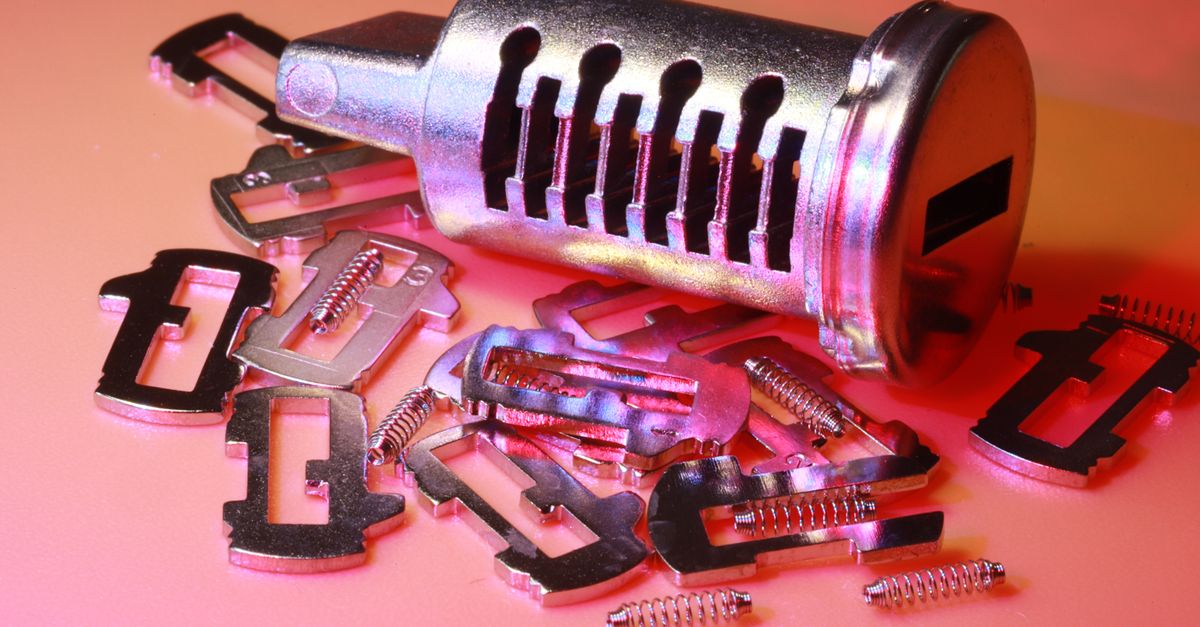
Automotive key technology has evolved dramatically over the past two decades. A basic metal key simply needs to be cut to the correct bitting pattern, but the vast majority of vehicles on New York roads today also require electronic programming. Transponder keys carry an immobilizer chip that must be matched to the car's ECU; if the chip isn't recognized, the engine won't start even if the blade is cut perfectly. Key fobs and proximity smart keys go a step further, communicating on encrypted radio frequencies that must be paired through manufacturer-specific diagnostic software. Our mobile technicians carry commercial-grade key-cutting machines and OBD-II programming tools that cover an extensive library of vehicle profiles, so the entire process — cutting, programming, and test verification — happens right where your car is parked.
The process begins with ownership verification. We'll ask to see your driver's license and vehicle registration before any work starts, which protects you as much as it protects us. Once confirmed, our technician retrieves the correct key blank or fob shell for your vehicle, cuts the blade to the factory specification using precision equipment, then connects to the vehicle's onboard system to write and verify the transponder or fob pairing. On most makes we can also re-key or add a secondary key so you leave with a spare — a smart move given how often New Yorkers misplace keys in transit between subway rides, office buildings, and parking structures.