Why High-Security Mortise Locks Are the Commercial Standard in New York City
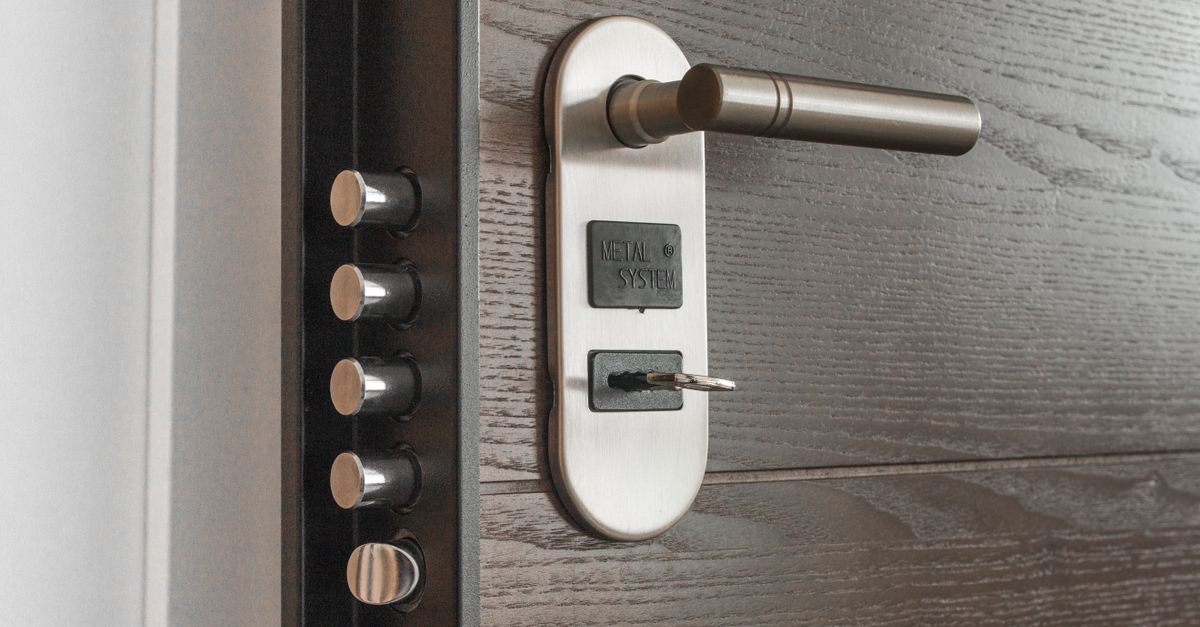
New York's built environment demands hardware that can take a beating. Doors in busy Midtown office corridors, ground-floor retail spaces along Atlantic Avenue in Brooklyn, or residential lobbies in Queens high-rises cycle through thousands of open-and-close events per year. A light-duty cylindrical lock — the kind with a knob or lever and a round latch — simply is not engineered for that volume or for the forced-entry attempts that come with dense urban settings. A commercial-grade mortise lockset, by contrast, is built from heavy-gauge steel or solid brass, integrates both a deadbolt and a spring latch in a single case, and anchors through the full thickness of the door stile. The result is a mechanism that is far harder to defeat through physical force and far more reliable over a long service life.
Restricted-key cylinders raise the bar further. Brands such as Medeco, Mul-T-Lock, and ASSA Abloy offer cylinder lines where the keyway geometry is legally protected by patent, and where key blanks are sold only through authorized distribution channels. This means that even if someone obtains a key, getting a duplicate made without the owner's authorization is genuinely difficult — a real and documented advantage over standard keyways that can be duplicated in minutes. For New York property owners navigating Local Law 11 facade requirements, NYC Department of Buildings compliance work, or simply a tenant changeover in a building with a long history of lost keys, upgrading to a high-security mortise lock with a restricted cylinder is one of the most effective access-control investments available.