Signs Your Door Knob Lock Needs Replacing, Not Just Repairing
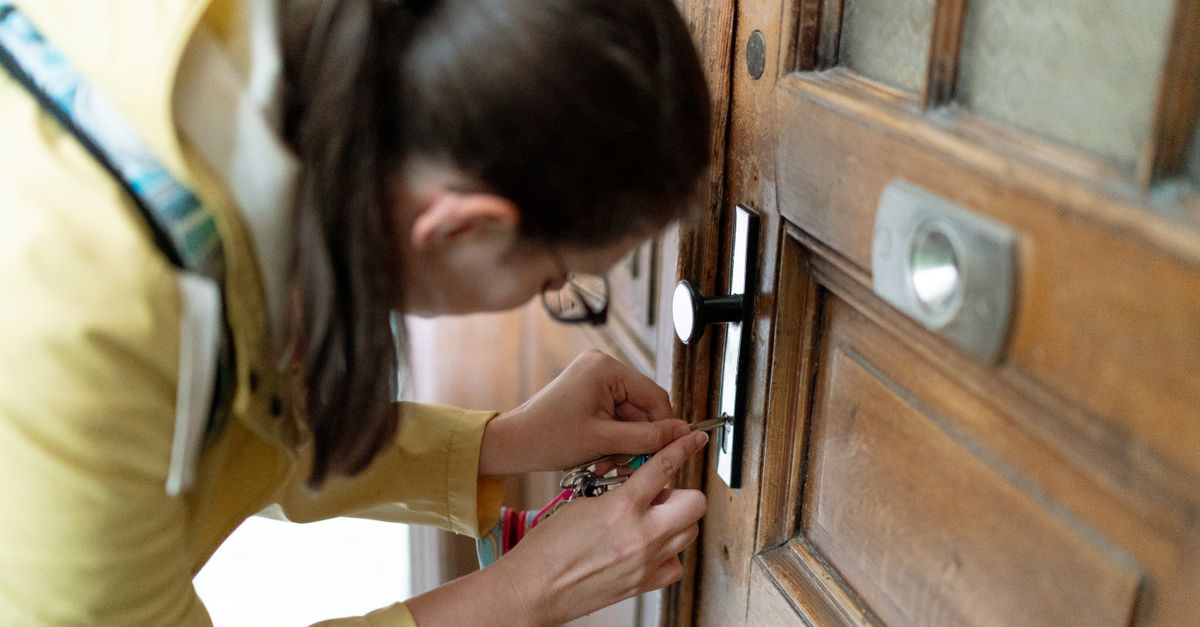
Many New Yorkers tolerate a finicky lock far longer than they should, assuming it just needs oil or a slight key adjustment. In practice, there are clear signals that full door knob lock replacement is the right call. If the key turns but the latch does not engage, if you feel grinding resistance mid-rotation, if the knob wobbles laterally even after tightening the set screws, or if the cylinder has been forced or drilled at any point in the past, the internal mechanism is compromised. On older pre-war and post-war apartment doors — common throughout neighborhoods like Washington Heights, Astoria, and Flatbush — original factory knob hardware may have decades of wear with no remaining tolerance left in the cylinder pins.
Matching keys are part of the same equation. A freshly replaced lock paired with a poorly cut or worn key will fail prematurely. Our technicians cut new keys on-site to the exact specification of the new cylinder, verify the depth and spacing mechanically before handing them over, and test every key in the installed lock before leaving. If you have been relying on a copy of a copy — a common issue for tenants who have been in a unit for several years — replacement of both the knob lock and the keys together solves the problem at the root rather than masking it.