How Ignition Cylinders Fail — and What It Means for Your Car
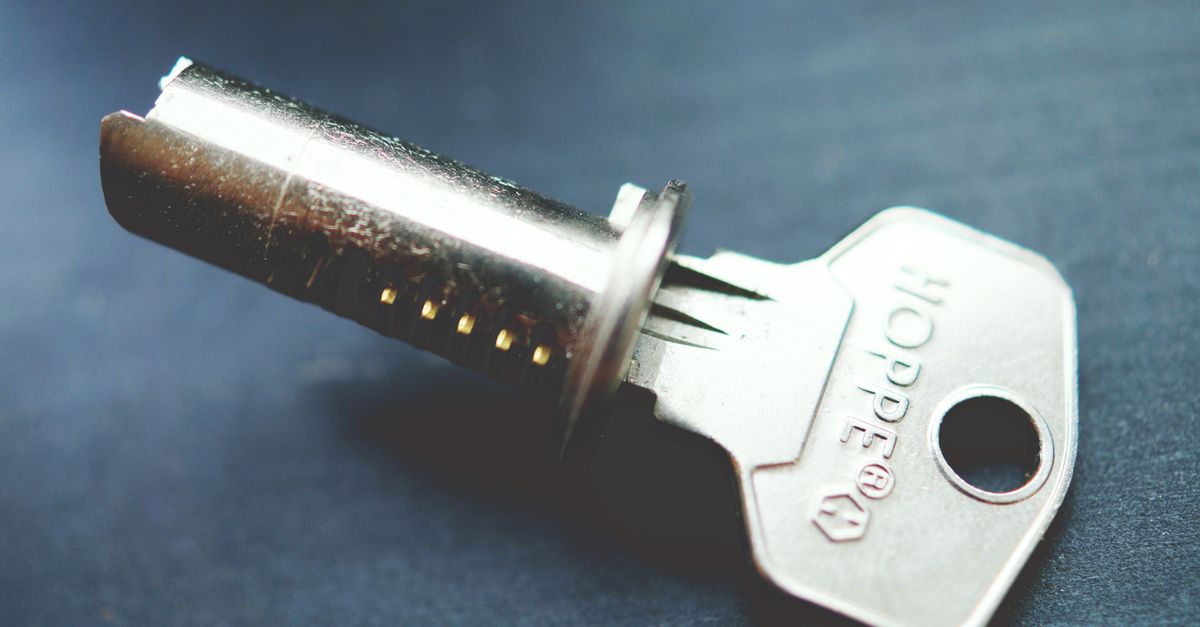
The ignition cylinder is the physical tumbler assembly your key slides into. Over time, the internal wafers that read the cuts on your key wear down, collect dirt and metal shavings, or simply weaken from thousands of daily insertions. When this happens you may notice the key turning stiff or requiring a jiggle, the steering column lock refusing to release, the key getting stuck mid-turn, or the vehicle simply not cranking despite a fully charged battery. In high-use urban environments like New York City — where drivers frequently start and stop their cars in short bursts navigating stop-and-go traffic from the Bronx to Bay Ridge — cylinders wear faster than in low-mileage suburban driving patterns. Cold winters compound the problem: moisture freezes inside the cylinder, causing the key to bind or break off inside the lock.
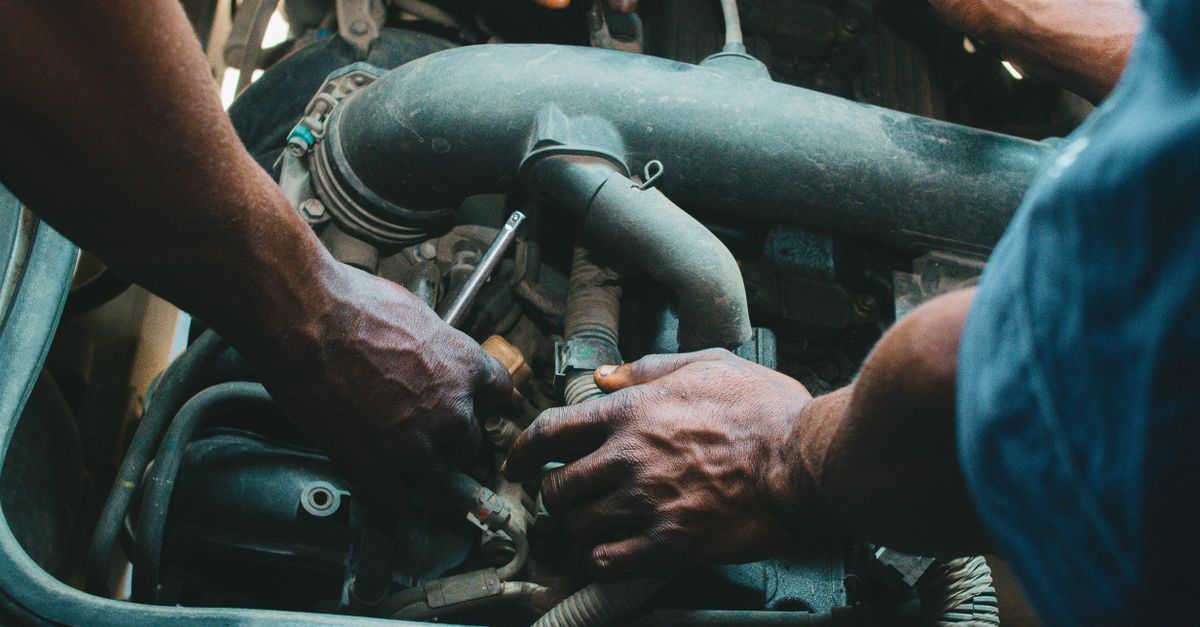
There is an important distinction between ignition cylinder repair and full ignition replacement, and understanding it can save you time and money. A repair is appropriate when the cylinder's housing and electrical switch are intact but the internal wafers are worn or a broken key fragment is lodged inside — our technician can rekey or rebuild the cylinder on-site. Full replacement becomes necessary when the cylinder housing is cracked, the ignition switch behind it has failed electrically, or the damage is too extensive to restore. Our trained professionals assess the exact condition of your ignition before recommending either path, and we will never upsell you to a full replacement when a repair will restore reliable function.