Noya Locksmiths Service Team
Local locksmith team
Jun 18, 2026 13 min read
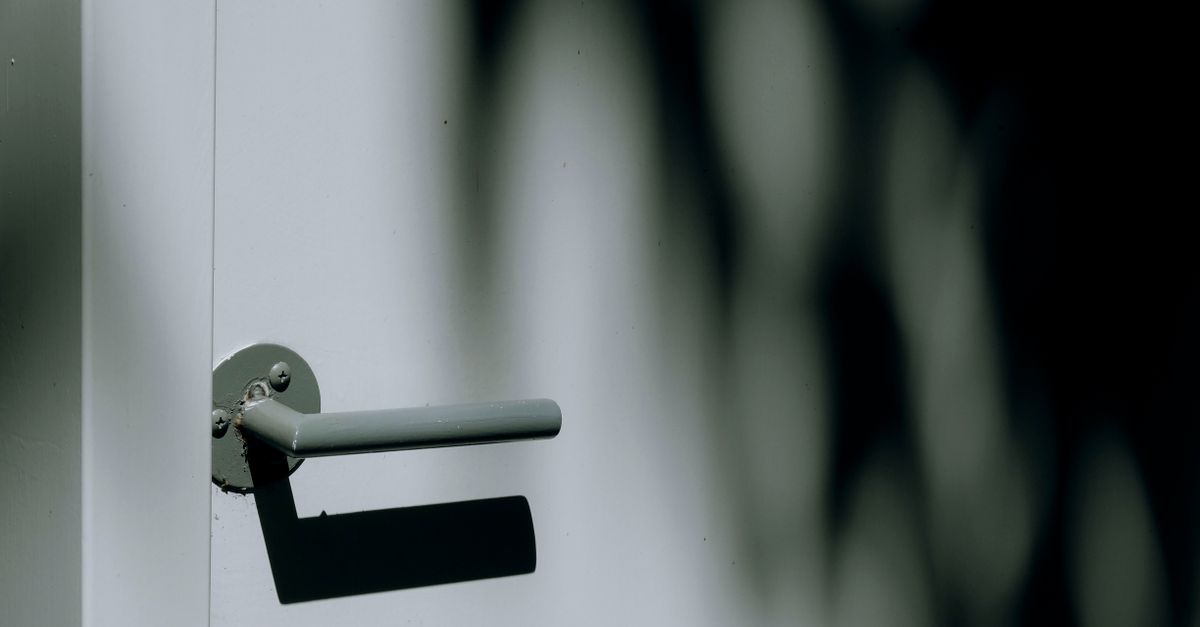
You're running late, you grab your keys, you turn the knob — and nothing happens. A door knob lock that won't turn is one of those small household problems that can instantly derail your entire day, whether it's the front door of your Brooklyn apartment, a bedroom in your Queens home, or a back entrance to a Manhattan office. Before you force it, panic, or start watching videos on how to pick a door knob lock (spoiler: that rabbit hole rarely ends well), it helps to understand exactly why knob locks jam in the first place — and what the right fix actually looks like.
Some causes are simple enough to resolve in minutes with things you already own. Others signal internal damage that makes a full replacement the smarter, safer call. This guide walks you through the real reasons a door knob with lock seizes up, what you can safely try on your own, and when it's time to call a trained locksmith — especially if you're locked out entirely and need help fast.
## Why Your Door Knob Lock Jams: The Most Common Causes
A knob lock can stick or refuse to turn for several distinct reasons, and diagnosing the right one saves you from throwing money at the wrong solution. The most frequent culprit is a worn or broken spring mechanism inside the lock cylinder. Every time you turn a door knob with lock and key, tiny internal springs compress and release. Over years of use — especially in high-traffic New York City buildings where doors get used dozens of times a day — those springs fatigue, lose tension, and eventually fail to retract the latch properly. You might feel the knob turn partway but then hit resistance, or it may feel loose and floppy without actually releasing the latch.
A second common cause is a misaligned door or latch. In older NYC buildings — the kind you'll find all along the Upper West Side, in Astoria, or in Bed-Stuy brownstones — seasonal humidity, decades of paint layers, and building settlement can cause door frames to shift just enough that the latch bolt no longer lines up with the strike plate. The knob turns, but the latch can't clear the frame. A third cause is a damaged or corroded key cylinder. If a key has been forced, bent, or broken inside the lock, or if moisture has worked its way into the cylinder over a harsh winter, the internal pins seize and the knob simply won't move. Finally, foreign objects — grit, paint overspray, broken key fragments — can lodge inside the mechanism and block everything.
## What You Can Safely Try Before Calling a Locksmith
If the door is currently open and you're dealing with a stiff or reluctant door knob lock, there are a few legitimate, safe steps worth trying. First, apply a small amount of graphite powder or a dry PTFE lubricant directly into the keyway and around the latch mechanism — avoid WD-40, which is a water displacer, not a lock lubricant, and it attracts grime over time. Insert and remove the key several times to work the lubricant through the pins. On many mildly stiff locks, this alone restores smooth operation within a few minutes. Second, check whether the latch bolt is catching on the strike plate by watching it closely as the door closes. If it's visibly scraping or not entering the hole cleanly, you may be able to loosen the strike plate screws, shift the plate slightly, and retighten — a five-minute fix that solves what looks like a lock problem but is really a door alignment problem.
If the door is currently closed and you are locked out, the safe and practical steps are: check for a spare key with a trusted neighbor, family member, or building super; check other unlocked entry points you are authorized to use; and call a professional locksmith. We want to be direct here — detailed techniques for how to pick a lock door knob are not something we'll walk you through, not because it's complicated trivia, but because using improvised tools on a live lock you're stressed about almost always makes the situation worse. A pick used incorrectly can shear pins or damage the cylinder, turning a straightforward service call into a full lock replacement. When you're locked out in New York, the fastest and safest path forward is calling Noya Locksmiths at (646) 863-8023 — we're mobile, available around the clock, and can reach you across the five boroughs.
## Door Knob Lock vs. Mortise Lock: When an Upgrade Makes More Sense
Here's a conversation that comes up constantly on service calls: a technician arrives to repair a failing door knob lock on a New York apartment door and finds that the lock itself is fine — the door's overall security setup is simply undersized for what it's protecting. Standard knob locks, including the popular door knob with lock for bedroom or interior use, are designed for convenience, not high security. The locking cylinder sits inside the knob itself, which means the knob can be physically sheared or forced in a way that a properly installed mortise lock cannot.
A mortise lock is a completely different class of hardware. It's set into a deep rectangular pocket cut into the door's edge, integrating a deadbolt, latch, and sometimes a chain guard into a single steel body. Mortise locks are the dominant style on commercial and older residential properties across New York City — they're what you'll find on the original doors of pre-war buildings throughout the West Village and Harlem. When our locksmiths assess a damaged or repeatedly failing knob lock, we'll always give you an honest recommendation: if a repair will hold, we'll repair it. If the mechanism is too worn, if the door has been compromised, or if you're relying on a knob lock as your primary exterior security, we'll explain why a mortise lock replacement is the more protective long-term choice. We stock and install mortise lock hardware from trusted manufacturers including Schlage and Kwikset, and we can walk you through the options that fit your door type and budget on the spot.
## Repair or Replace? A Practical Decision Framework
The repair-versus-replace question comes down to three factors: the age of the lock, the extent of the damage, and the security role the lock plays. A door knob with lock and key that's less than five years old, turns stiffly but hasn't been forced, and lives on an interior door is almost always worth repairing — a cylinder rekey, a spring replacement, or a latch adjustment will typically restore it fully. A knob lock that's fifteen years old, shows visible wear on the face plate, has had a key broken inside it, or sits on a primary exterior door is usually a candidate for replacement, particularly if you're going to pay for a service call anyway.
For exterior doors in particular, we strongly recommend pairing any knob lock replacement with the installation of a mortise lock or a high-grade deadbolt, creating a two-point locking system. New York City building codes and most lease agreements require functional locks on entry doors, and a single aging knob lock on a street-level door in a busy neighborhood like Bushwick or Sunnyside simply doesn't meet modern security expectations. Our team will assess your specific door — its thickness, material, existing hardware prep, and frame condition — before recommending a path forward. We confirm the exact scope and price before any work begins, so there are no surprises when the job is done.
Pricing for any locksmith service — whether a knob lock repair, a mortise lock installation, or an emergency lockout call — depends on several variables: the type and brand of hardware involved, the time of day (after-hours and weekend calls carry different costs), travel distance to your location, and whether parts need to be sourced on the spot. What we always do is provide a clear, confirmed quote before we start, so you know exactly what you're agreeing to.
## How to Find a Legit Locksmith and What to Expect on a Service Call
If you've ever searched 'emergency locksmith' in a panic at midnight, you know the results can feel overwhelming and, frankly, a little sketchy. Here's how to vet any locksmith quickly: look for a business with a verifiable local address or clear service area, a consistent phone number, and reviews that mention specific details about the job and the technician — not vague five-star posts. Ask directly whether the quote you're given on the phone is the final price or just an estimate. A trustworthy locksmith will confirm the exact price before touching your lock. Be wary of anyone who quotes an unusually low fee to get you on the phone and then adds charges once they arrive.
At Noya Locksmiths, our team is trained, experienced, and insured. When we arrive, we'll identify ourselves, assess the situation, explain our findings clearly, and give you a firm quote before any work begins. We handle everything from a simple door knob lock repair and cylinder rekeying to full mortise lock installations, commercial locksmith work for businesses, high-security deadbolt upgrades, and emergency lockout response across New York City — Manhattan, Brooklyn, Queens, the Bronx, and Staten Island. If you're dealing with a locked knob right now, don't wait — call (646) 863-8023. We answer 24 hours a day, seven days a week, and we can typically reach you faster than most people expect.
## Services We Provide Across New York City
Noya Locksmiths is a fully mobile 24/7 operation serving the entire New York area. Our services include: residential door knob lock repair and replacement, mortise lock installation and repair, deadbolt installation, cylinder rekeying, emergency lockout response, lock picking by trained professionals (ownership-verified), master key system setup, high-security lock upgrades, door knob with lock for bedroom installation, electronic and smart lock installation, keypad lock setup, door frame and strike plate reinforcement, broken key extraction, key duplication, commercial locksmith services for offices and retail spaces, storefront gate lock repair, panic bar and push bar installation, mailbox lock replacement, padlock removal and replacement, cabinet and filing cabinet lock service, garage door lock repair, intercom-linked lock system service, safe opening and combination reset, car lockout service, and transponder key programming. Whether your need is routine or urgent, our team brings the tools and experience to handle it on-site.
## What New Yorkers Ask Us Most: Lock Costs and Emergency Calls
Two questions we hear constantly are some version of 'How much does a NYC locksmith cost?' and 'How much does an emergency locksmith cost near me?' — so let's be straightforward about how pricing actually works. There is no single flat rate that applies to every job, and any service that quotes you a price without knowing your lock type, your door, your location, and the time of day is guessing. The honest answer is that the final cost depends on the complexity of the job (a basic knob lock repair is a different job than a full mortise lock replacement), whether it's a standard daytime appointment or an after-midnight emergency call, how far our nearest technician needs to travel, and whether specific parts need to be installed. What we commit to is transparency: you receive a confirmed, exact price before we begin — no hidden call-out fees, no surprise add-ons.
On the question of what is a locksmith call-out fee — this is a charge some services apply simply for arriving at your location, separate from the actual labor and parts. Not every locksmith structures pricing this way. When you call Noya Locksmiths, we'll walk you through exactly how your quote is composed so you understand what you're paying for and why, before you agree to anything. And on the question of how much is the average locksmith charge — rather than give you a number that may not apply to your specific situation, we'd rather give you a real quote. Call us, describe the situation, and we'll tell you what to expect.
Frequently asked questions
My door knob turns but the latch won't retract — is this a lock problem or a door problem?+
It can be either, and the distinction matters. If the knob spins freely without engaging anything, the set screw or internal connection between the knob and the latch spindle has likely failed — that's a lock mechanism issue. If the knob turns but the latch seems to catch on the door frame, the problem is usually alignment: the latch bolt is hitting the strike plate rather than entering it cleanly, which is caused by door settling or frame movement. A trained locksmith can diagnose this on the spot and tell you within minutes whether you need a lock repair, a strike plate adjustment, or both. Call (646) 863-8023 and we'll walk you through it.
How do I find a legit locksmith in New York without getting scammed?+
Look for a locksmith with a consistent local presence — a real service area, a single verifiable phone number, and reviews that describe specific jobs and technicians rather than vague praise. Always ask for a firm price confirmation before work starts: a trustworthy locksmith will give you the exact total before touching anything. Be cautious of anyone who quotes a very low figure on the phone and then raises the price at your door. At Noya Locksmiths, we confirm an exact upfront price every time, our team is trained and insured, and we operate under a consistent, verifiable identity across New York City. You can reach us at (646) 863-8023 any time of day or night.
Is a mortise lock worth it compared to a standard door knob lock for a NYC apartment?+
For a primary exterior door in New York City, yes — a mortise lock offers meaningfully stronger protection than a standard knob lock. The reason is structural: a mortise lock body is recessed into the door itself, making it far more resistant to forced entry than a surface-mounted knob whose cylinder can be snapped under pressure. Most pre-war and older New York apartment buildings were originally built with mortise locks, and upgrading back to one (or adding a high-grade deadbolt alongside your existing knob) is one of the most practical security improvements a renter or owner can make. Our locksmiths install and service mortise locks across all five boroughs — we'll assess your door and give you an honest recommendation.
What should I do if I'm locked out and someone online says I can learn how to pick a door knob lock myself?+
We understand the temptation when you're standing outside at 11 PM, but improvised lock picking by someone without proper training almost always causes additional damage — sheared pins, scratched cylinders, and in some cases a lock that has to be fully drilled out and replaced rather than simply serviced. Beyond the damage risk, attempting to pick a lock on a door you don't own can create legal complications. The fastest, safest, and most cost-effective path when you're locked out is to call a professional. Noya Locksmiths is available 24 hours a day across New York — call (646) 863-8023 and a trained technician will come to you, verify your right of access, and get you back inside without damaging your hardware.